

Limerick People's Park Walking Guide
Explore the history, trails, and seasonal highlights of Limerick's most popular park. Perfect for leisurely walks in the heart of the city.
A complete guide to exploring the scenic Shannon estuary routes, understanding difficulty levels, and discovering the wildlife that makes these trails special for walkers of all abilities.
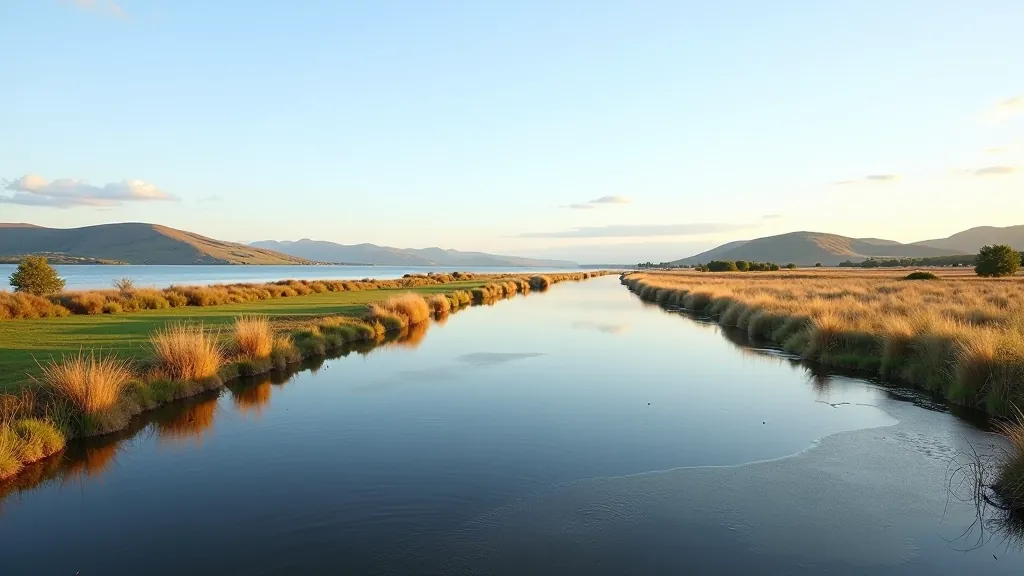
The Shannon estuary isn't just a scenic backdrop. It's genuinely one of the most rewarding walking destinations in Ireland. Stretching across 3,300 hectares, the estuary offers something most inland walks can't — you've got tidal rhythms, salt marshes, and migratory bird populations that change with the seasons.
What makes it special for walkers is the variety. You'll find everything from flat, easy riverside paths perfect for anyone building confidence back into walking, to more challenging cliff-top routes with genuine views. Plus, the weather patterns here are different from inland areas. Sea breezes keep things cooler in summer, and winter walking is often drier than you'd expect.


There's not one "Shannon Estuary Trail" — there are actually several distinct routes you can tackle depending on your fitness level and time. The lower estuary routes around Foynes and Askeaton tend to be flatter and more accessible. You're walking on well-maintained paths, often with tarmac or compacted gravel surfaces.
The mid-estuary sections, particularly around Limerick's suburbs, offer more variety. You'll get some elevation change — nothing dramatic, but enough to feel like proper walking. These routes take you through a mix of riverside paths, small villages, and occasional woodland sections. Most walkers find 8-10 kilometers manageable here without feeling rushed.
Upper estuary walks around the King's Island area involve more urban navigation mixed with water views. These aren't wilderness routes, but they're genuinely interesting if you like combining cultural elements with your walking.
This guide is educational information about the Shannon estuary and its walking routes. Conditions change seasonally and after weather events. Always check local conditions before heading out, wear appropriate footwear, and bring weather-appropriate clothing. If you've got mobility concerns, consult with your GP before starting new walking routines.
Most estuary walks fit into three categories, and it's worth being honest about which suits you. Easy routes — typically 4-6 kilometers with minimal elevation — work perfectly if you're returning to walking after a break. The Limerick riverside walk from the city center toward Thomondgate fits here. It's flat, well-signed, and you can stop for coffee if you need a rest.
Moderate routes, around 8-12 kilometers with some hills, demand a bit more endurance but nothing extreme. The Foynes coastal loop falls into this bracket. You'll feel like you've had a proper walk, but you're not battling steep terrain. These routes usually take 2.5 to 3.5 hours depending on your pace and how often you stop.
Challenging walks involve longer distances (12-18 kilometers) or genuine elevation gain. The Tarbert to Glin route combines both. You'll need decent fitness and comfortable walking boots, but the rewards are substantial — views you simply won't get from easier trails.
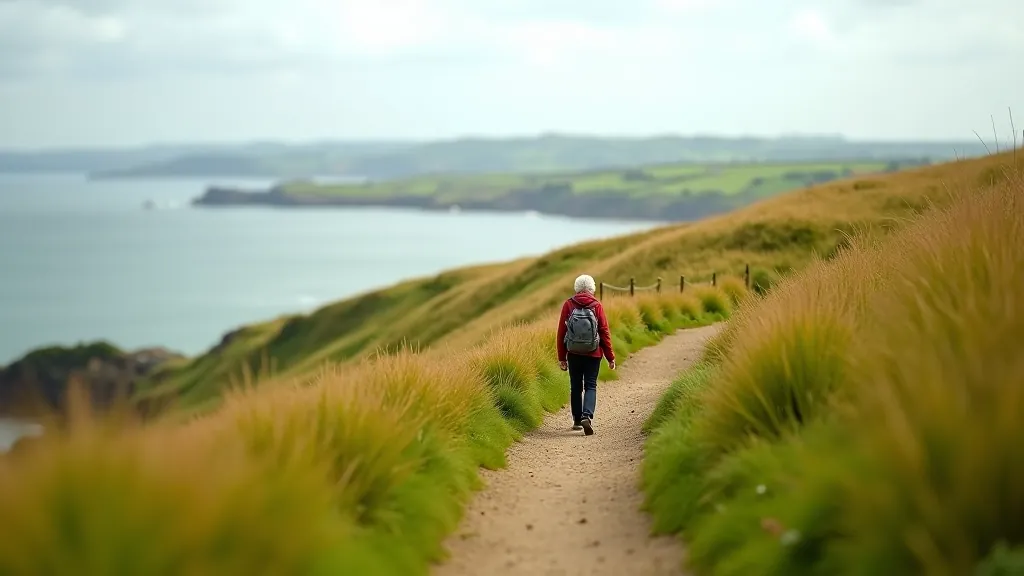

Here's what separates estuary walks from inland routes — you're walking through active ecosystems. Don't expect to see everything listed in field guides, but you'll see something most days. Wading birds are constant: curlews, oystercatchers, and grey herons. You'll recognize curlews by their curved bills and haunting calls. Oystercatchers are harder to miss — black and white with orange-red beaks and legs.
Seals pop up occasionally, though not guaranteed. The estuary supports both grey seals and harbor seals, but they're shy. You're more likely to spot them in winter months (November through February) when they haul out on sandbanks. If you see a dark head watching you from the water, stay still and quiet — they're as curious about you as you are about them.
Spring brings migrating warblers and terns. Summer means nesting terns can get territorial — they'll dive-bomb if you get too close to breeding areas, which is why some sections close seasonally. Autumn migration is spectacular if you're patient. Flocks of golden plovers, dunlin, and knot arrive from Arctic breeding grounds, sometimes numbering in the thousands.
Timing matters more on estuary walks than inland routes. Tides affect water levels and sometimes access. Low tide opens up mudflats and sandbars; high tide can cut off certain paths. Check tide tables before you go — they're freely available online and take 30 seconds to look up. Most estuary walks work fine regardless of tide, but some sections are genuinely only accessible at certain times.
Weather here changes quickly. You might start with blue skies and encounter rain within an hour. Bring a waterproof jacket regardless of the forecast. Estuary winds can be stronger than inland areas because there's nothing to block them. Exposed sections can feel gusty even on calm days.
Footwear is worth thinking about. Most routes are well-maintained, but muddy sections appear after rain. Trail shoes or waterproof walking boots beat regular trainers. Bring a small daypack with water, snacks, and a basic first aid kit. Mobile signal is generally reliable along popular routes, but check before heading to more remote sections.

The Shannon estuary rewards walkers who slow down. You won't see everything on your first visit, and that's fine. Pick a route that matches your current fitness level — don't push yourself too hard on the first outing. Return to routes you enjoy, and you'll notice seasonal changes. The birds change, vegetation transforms, and light quality shifts with the seasons.
Bring a simple notebook if you're interested in wildlife. Jotting down what you've seen helps you notice patterns and learn to identify birds and plants. Join a local walking group if you want company — there are several regular meetups around Limerick that welcome walkers of all abilities.
Most importantly, these trails are accessible to you right now. You don't need special permits, expensive gear, or extreme fitness. You need comfortable shoes, appropriate clothing, and the willingness to spend a few hours exploring. The estuary's been here for thousands of years. It'll be here next week if today doesn't work out. Start somewhere manageable and build from there.