
Limerick People's Park Walking Guide
Explore the history, trails, and seasonal highlights of Limerick's most popular urban park with accessible routes suitable for all abilities.
Read MoreDiscover the incredible wildlife of the Shannon estuary across every season. We'll show you where to look, what to expect, and the best times to spot birds, seals, and river life along the accessible walking trails near Limerick.
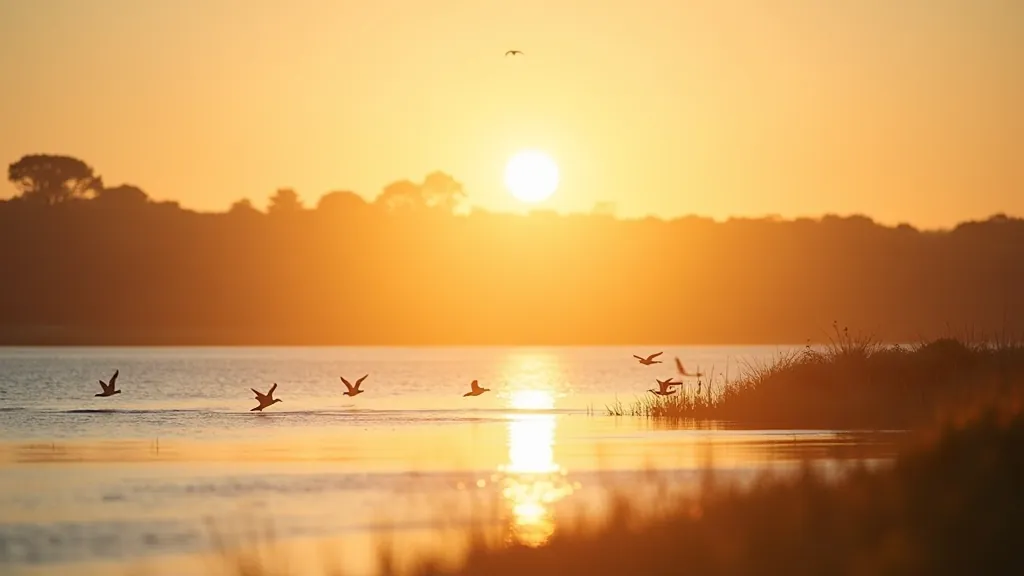

The Shannon estuary isn't just beautiful — it's one of Ireland's most important wildlife habitats. You'll find migratory birds, grey seals, otters, and rare fish species all within reach of accessible walking routes. The estuary changes dramatically with the seasons, which means you've always got something new to discover.
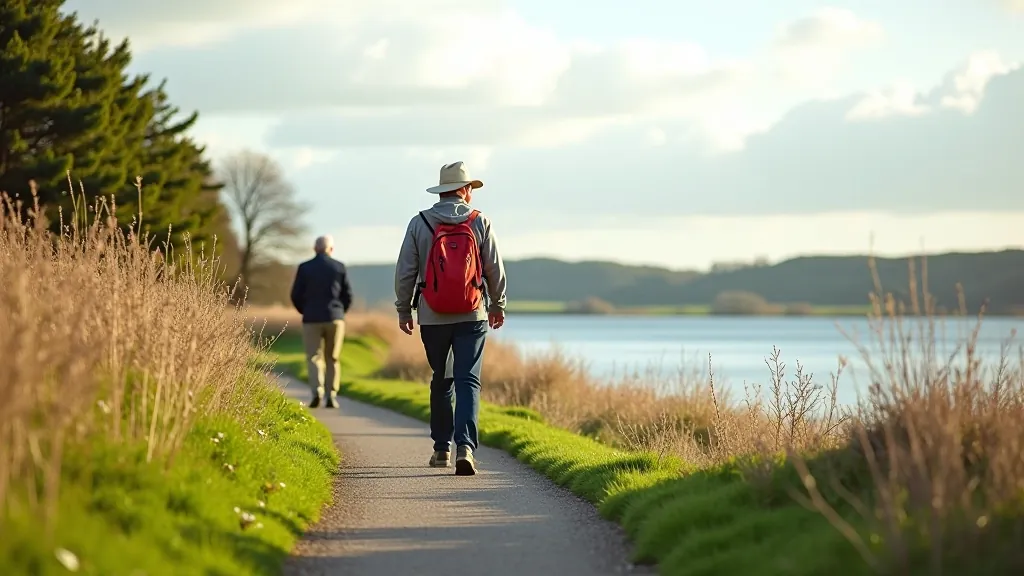
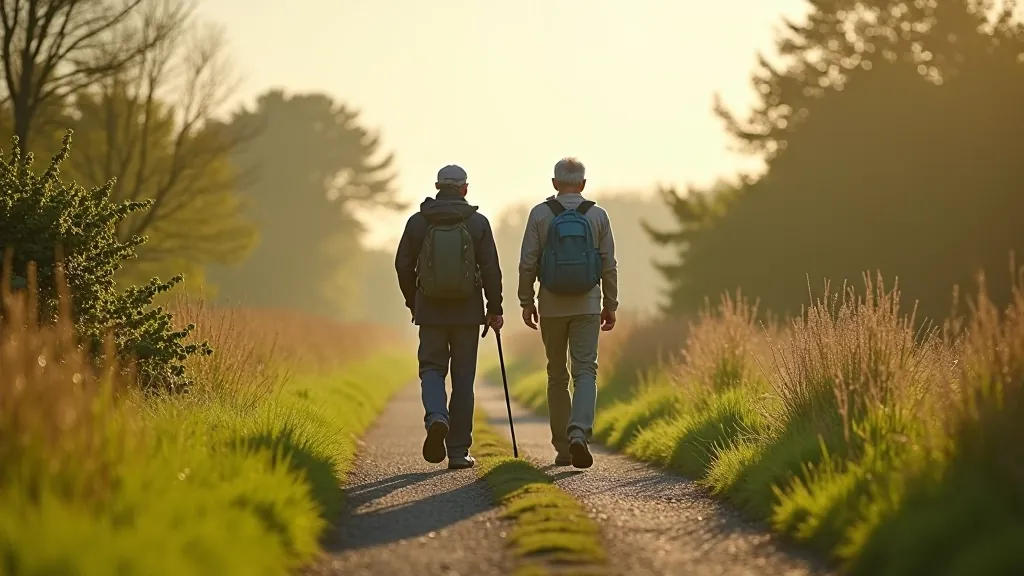
What makes it special is that you don't need special equipment or expertise to start spotting wildlife. A good pair of binoculars, some patience, and knowing where to look will get you far. Most trails are flat, well-maintained, and perfect for seniors who want genuine outdoor experiences without the strenuous climbing.
Spring transforms the estuary. Migratory birds start arriving in late February, and by March you'll see species like wheatears, willow warblers, and sand martins. The numbers peak in April and early May as birds settle into breeding territories.
You'll notice the estuary becomes noisier and more active. Waders probe the mudflats searching for food. Shelduck pairs scout nesting sites. If you're lucky, you might spot a seal hauled out on a sandbank — they're basking to regulate body temperature before the water warms up.
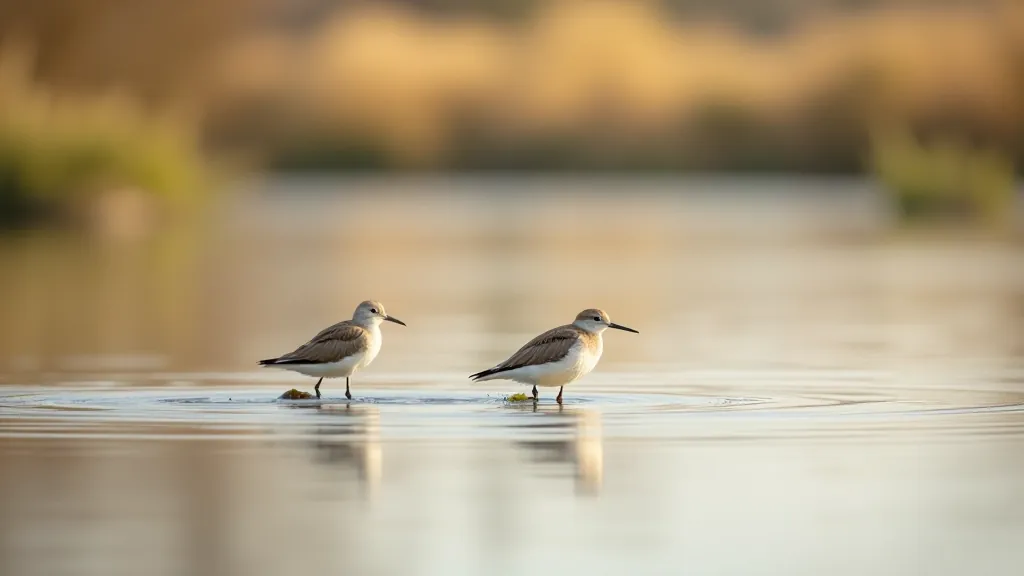
Summer brings longer daylight but fewer species visible — many birds are nesting inland or already breeding on the estuary. What you gain instead is reliability. The birds that're here are territorial and vocal, so spotting them becomes easier even if numbers are down.
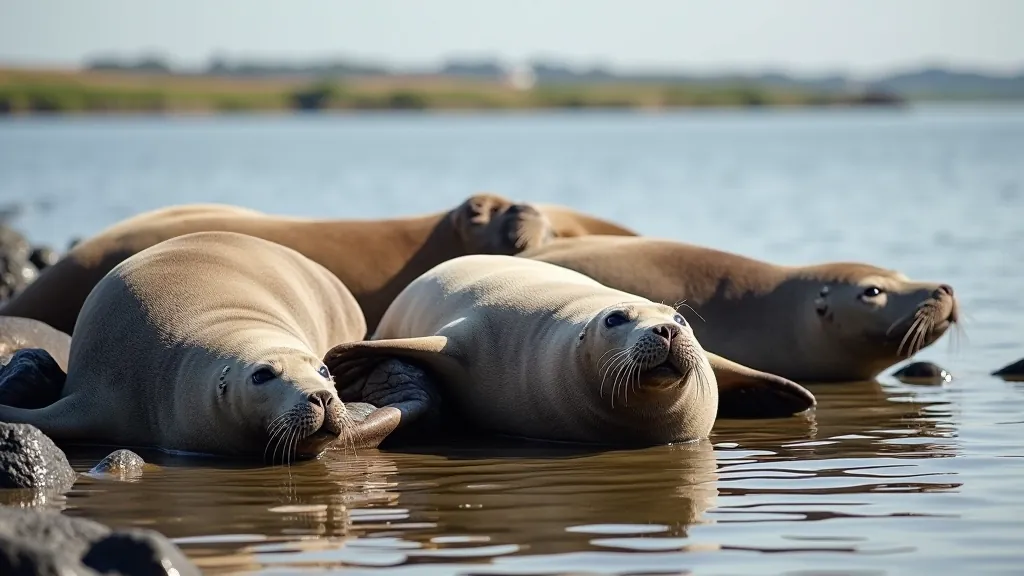
Grey seals haul out in larger numbers during summer months, especially on rocky areas and sandbanks. They're calmer in warm weather and less likely to bolt into the water. Otters become more active at dawn and dusk. Dragonflies, damselflies, and butterflies also peak, creating a richer wildlife experience overall.
The challenge is heat. Bring plenty of water, wear a hat, and plan walks for early morning or late afternoon. The estuary mud gets sticky in hot weather, so stick to established paths.
This guide provides educational information about wildlife viewing on estuary routes. Wildlife behavior varies by location, weather, and individual circumstances. Always maintain a safe distance from animals (at least 50 meters from seals), respect private property, and follow local trail regulations. Weather conditions can change rapidly — check forecasts before heading out and bring appropriate gear. If you have mobility concerns, contact local trail services about current accessibility conditions.
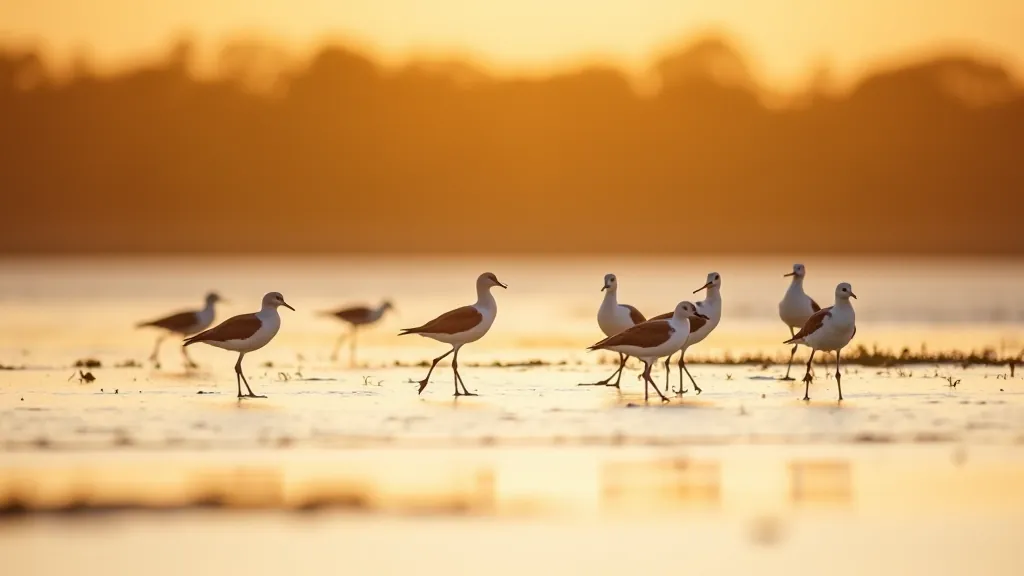
Autumn is spectacular if you're patient. Migratory birds heading south stop over in the estuary to feed and rest. You'll see species that don't breed here — greenshanks, spotted redshanks, wood sandpipers. The diversity peaks in September and October.
The light changes too, creating those golden-hour moments that make birdwatching magical. The estuary is quieter than spring — fewer birds are calling — but the quality of sightings can be exceptional. Waders feed intensively on the exposed mudflats, especially at low tide when feeding areas are largest.
Pro tip: Plan walks around low tide. Waders concentrate on exposed mud, making them easier to spot and identify. Check tide times before heading out — the difference between high and low tide can be 3+ meters on the Shannon estuary.
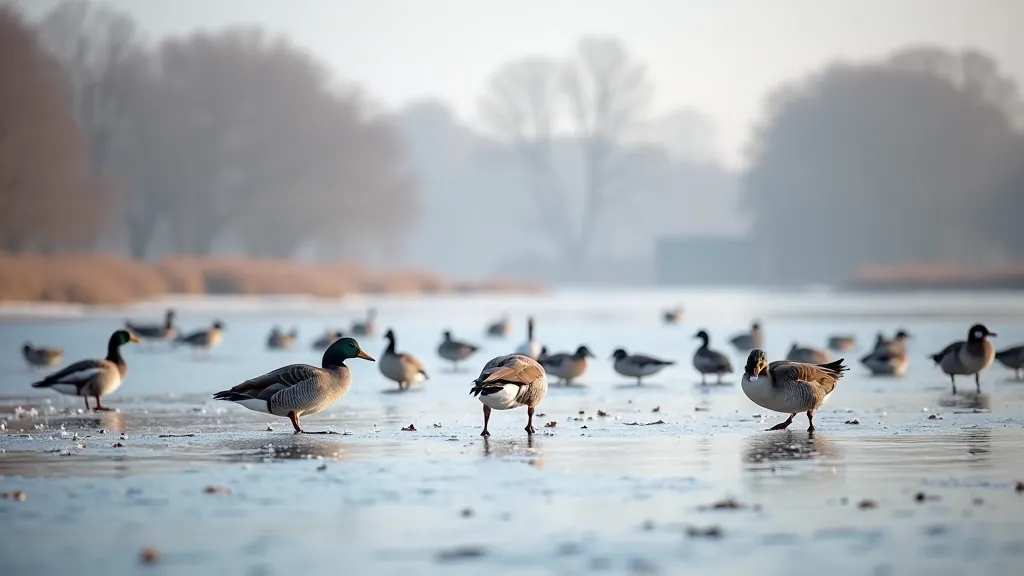
Winter brings birds that've fled colder regions. Wigeon, teal, pintail, and shoveler dabbling ducks arrive from northern Europe. You'll see divers and grebes on open water. Numbers peak in January and February when freezing temperatures elsewhere force birds south.
Winter birdwatching requires preparation. Dress in layers — wind off the water gets cold fast. Bring a thermos of hot tea. Frozen conditions mean trails can be slippery, so wear proper footwear. The reward is solitude and reliable sightings. Winter is also when you're most likely to spot rare vagrants that've wandered off migration routes.
The low sun angle in winter creates dramatic photography light. If you're bringing a camera, aim for late afternoon (2:00-4:00 PM) when the sun's position makes birds stand out against the water.
You don't need expensive equipment. A decent pair with 8x42 magnification (8x magnification, 42mm lens) costs £100-200 and will serve you well for years. They're the single most important tool for estuary wildlife spotting.
Waterproof outer layer, insulating mid-layer, moisture-wicking base. Weather on the estuary changes fast. Layers let you adapt without carrying heavy gear. A hat and gloves are essential in winter and autumn.
Waterproof hiking boots with good grip prevent slips on muddy or icy sections. The estuary terrain can be uneven and boggy. Don't underestimate footwear — it makes the difference between a comfortable walk and a miserable one.
A pocket-sized bird identification guide specific to Ireland helps you confirm what you've seen. Digital apps like Merlin Bird ID work too, but a printed guide doesn't need batteries and works in any weather.
Birds and mammals detect vibrations and noise long before visual movement. Walk at a relaxed pace. Stop frequently to scan with binoculars. Talk in whispers if you're with others. A sudden loud voice will flush every bird within 100 meters.
Keep the sun behind you or to the side. Scanning into the sun creates glare and silhouettes everything. The best light is when the sun's low (early morning or late afternoon), creating long shadows and detail.
The estuary transforms with tides. Low tide exposes mudflats where waders feed. High tide pushes birds onto banks and shallows. Plan walks 2-3 hours before low tide for optimal viewing of feeding birds.
Early mornings are most productive. Birds are feeding and calling. Spend at least an hour in one spot if you find a good vantage point. Most memorable sightings happen when you're patient enough to wait for them.
The Shannon estuary is accessible, rewarding, and changes with every season. Whether you're a complete beginner or returning to birdwatching after years away, there's always something new to discover.